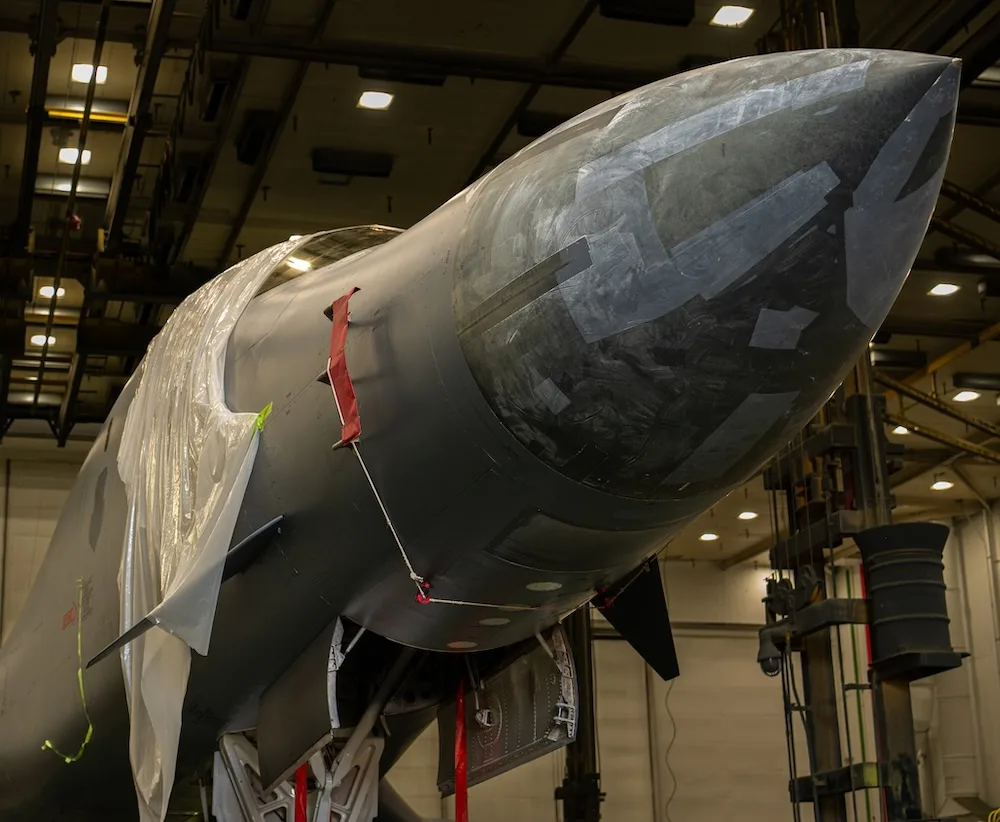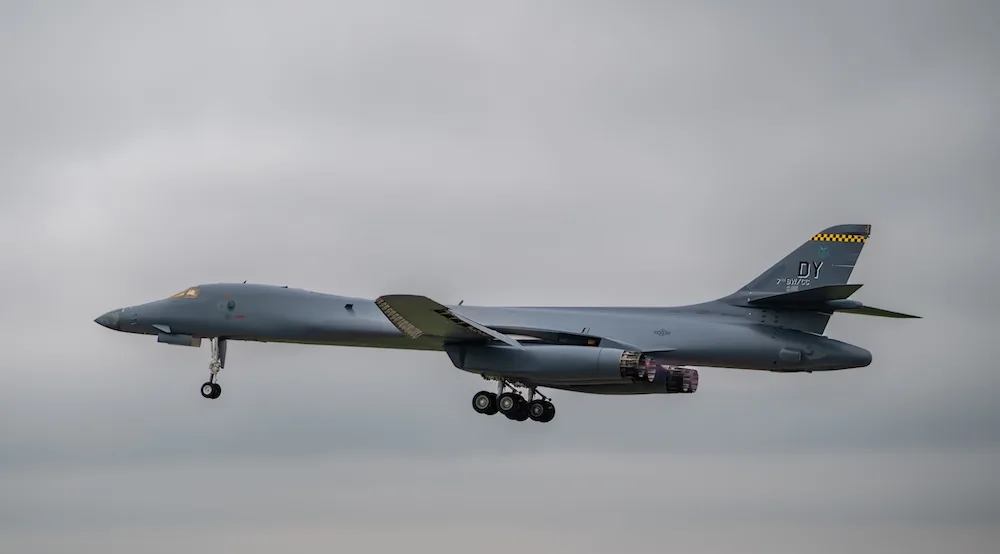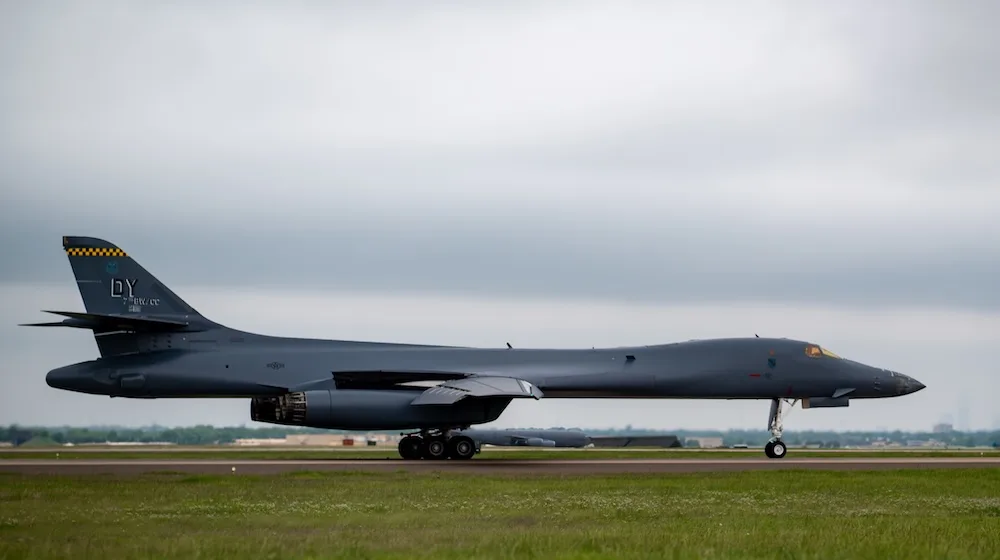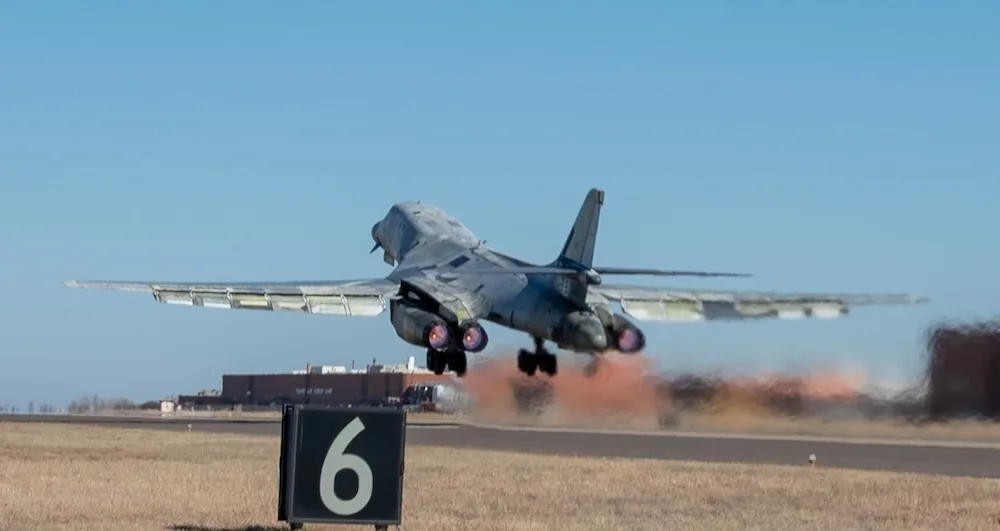
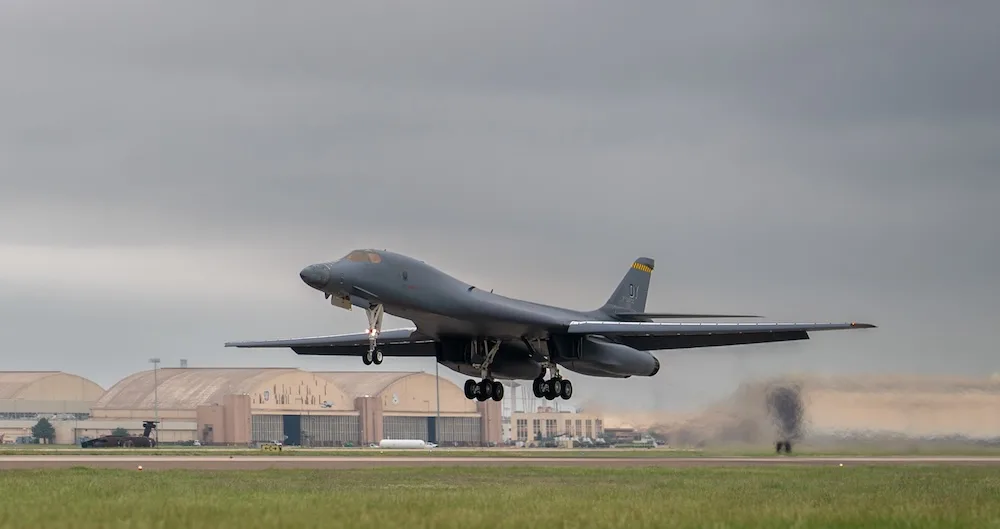
A U.S. Air Force B-1B Lancer once parked in the Arizona desert is back in the air after an intensive regeneration and depot maintenance effort led by the Oklahoma City Air Logistics Complex at Tinker Air Force Base.
Follow Aeronews on Facebook, Twitter, LinkedIn and TikTok
More than 200 Airmen and civilians from the 567th Aircraft Maintenance Squadron worked extended shifts completing system overhauls and structural repairs, replacing more than 500 components.
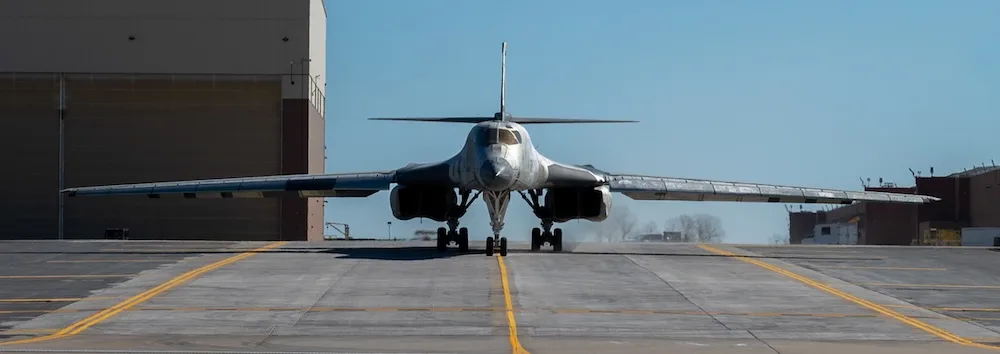
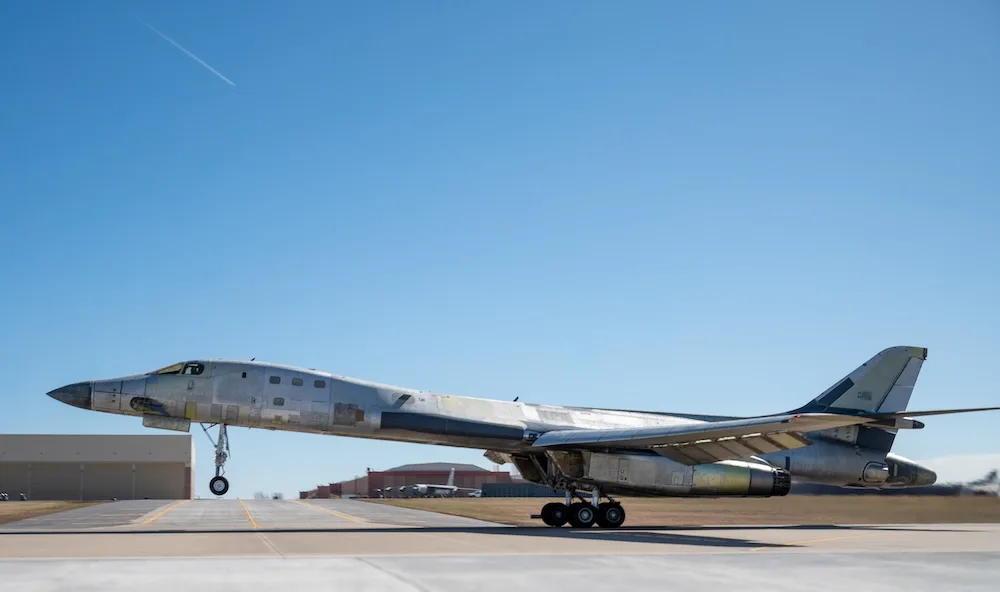
Pilots from Tinker’s 10th Flight Test Squadron flew the aircraft in a stripped, bare-metal configuration over Oklahoma, conducting functional check flights to validate systems and performance. Once the aircraft passed these flights and was deemed Fully Mission Capable, it moved to the final phase of the regeneration process: the paint facility. There, three rotating teams worked around the clock to prepare the aircraft for final delivery.
The regeneration effort comes as the Air Force continues modernizing its bomber fleet while sustaining legacy platforms critical to current operations. It’s a move that highlights the critical role of depot maintenance in extending aircraft service life.
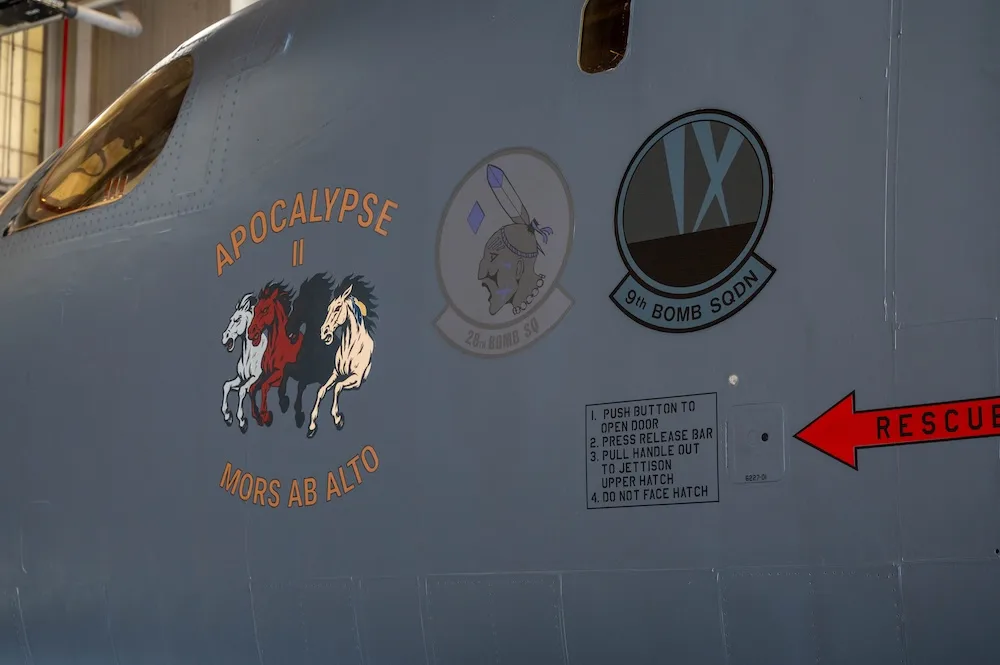
The aircraft has since returned to Dyess Air Force Base, where it rejoined the fleet with a new name and nose art marking its restoration—another aircraft brought back from storage and returned to the fight through a coordinated team effort at Tinker.
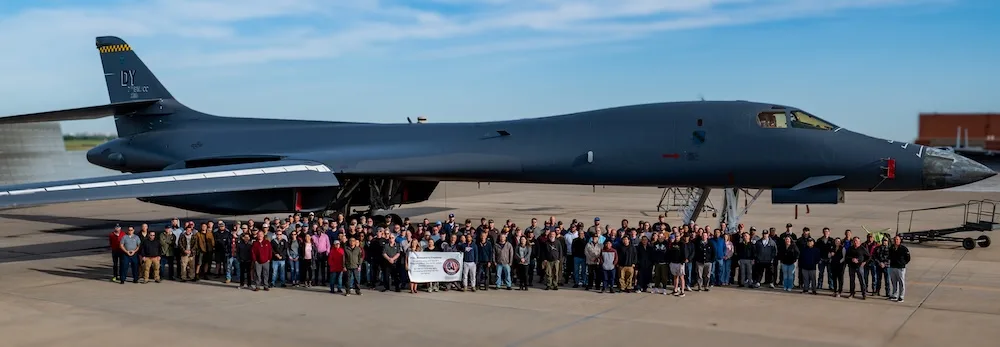
The aircraft, tail number 86-0115, will serve as the new flagship of the 7th BW. It was christened “Apocalypse II” in honor of the original B-24J Liberator “Apocalypse” and its crew from the 436th Bombardment Squadron, who were lost when their aircraft was shot down over Burma on Dec. 1, 1942.
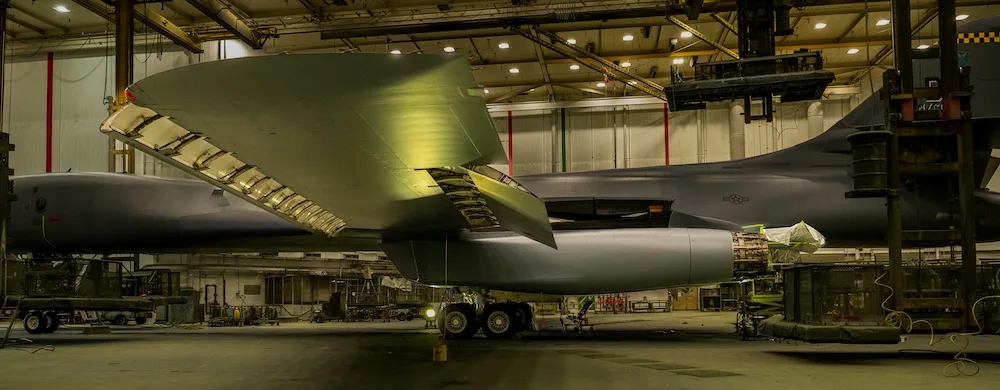
Previously nicknamed “Rage,” tail 86-0115 was one of 17 B-1Bs retired in 2021 and placed in storage at the 309th Aerospace Maintenance and Regeneration Group at Davis- Monthan AFB, Arizona. The Air Force later returned the bomber to service to replace another aircraft undergoing extensive structural repairs, a decision made to preserve the congressionally mandated fleet of 45 B-1Bs.