Demand for flights to Europe surged as travellers avoided the Middle East, and Qantas added nearly 16,000 seats to and from Europe in the 4th quarter. Combined seat factor on Qantas’ London, Paris and Rome connections grew to 90 per cent during that period. Premium cabin revenue grew by 15 per cent, twice the rate of Economy.
Follow Aeronews on Facebook, Twitter, LinkedIn and TikTok
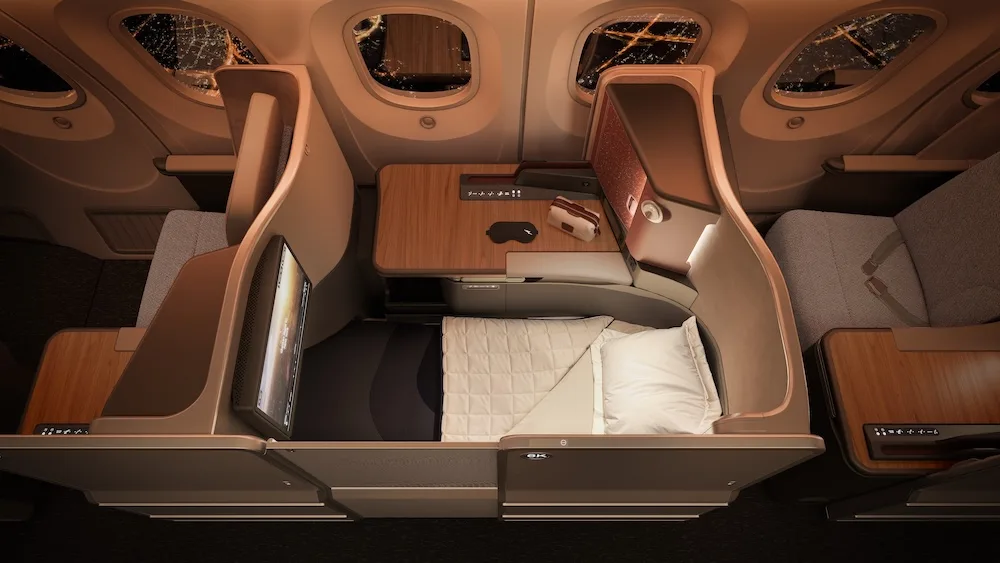
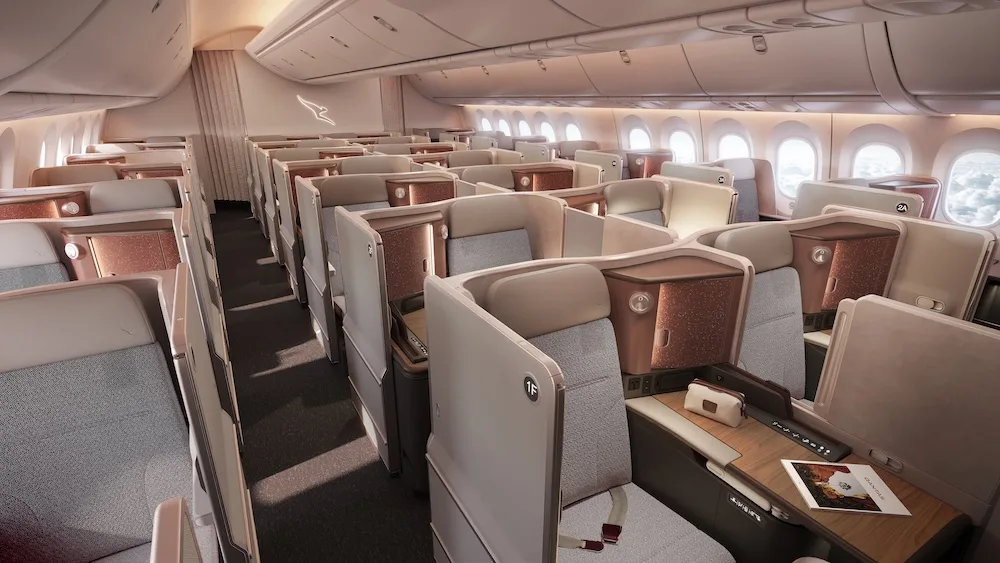
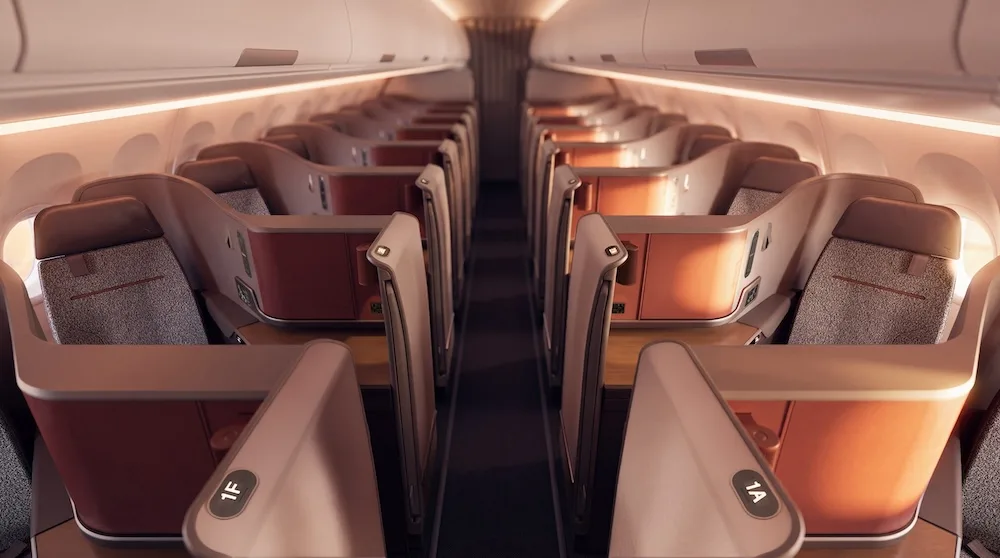
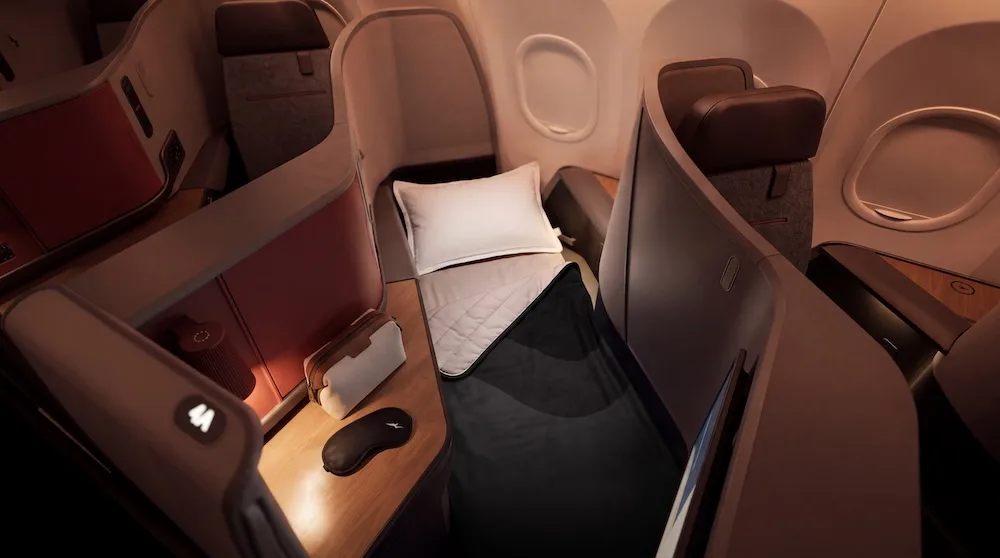
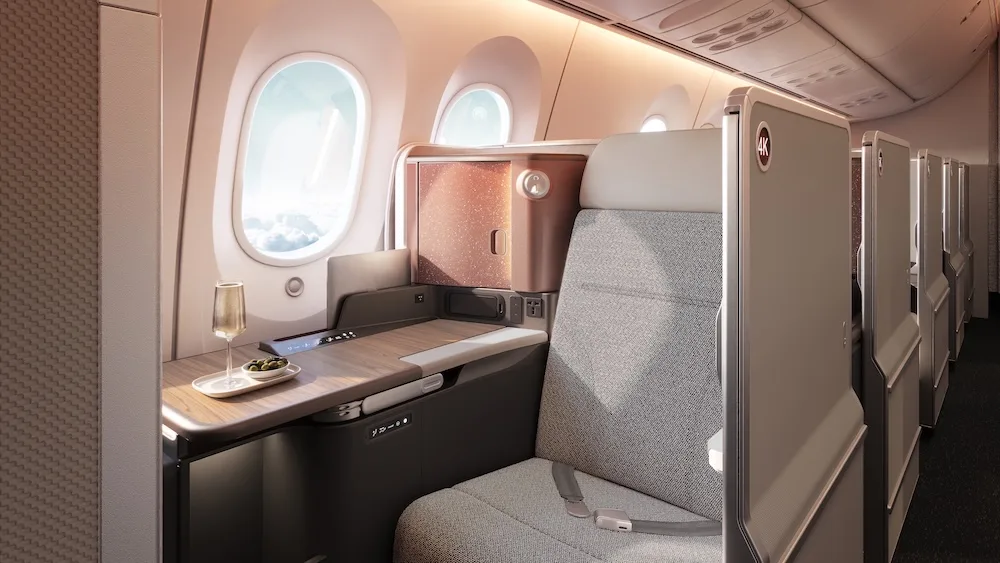
Qantas’ international fleet renewal ramps up with the first A350-1000ULR due to arrive in April 2027 and the first non-stop Sydney-London flight to operate in October. In addition to the 12 Project Sunrise aircraft, Qantas Group has firm orders for 12 A350s and 12 787s. The first of the additional 787s will begin arriving in FY28 with the next evolution of the airline’s Business seats, including more space, sliding privacy doors and larger entertainment screens.
Qantas is also in discussions with Airbus and Boeing regarding converting around 20 of its existing purchase right options to firm orders from 2030. The A380 will now be gradually phased out of the fleet from calendar year 2028. The next generation aircraft replacing it can fly further and will be able to operate all routes on the airline’s current international network and open up new ones.
Fleet renewal accelerated during FY26 with the Airbus A321XLR entering service and 7 aircraft now in operation, and the A220 fleet growing to 12 aircraft. These new aircraft, as well as almost all of Qantas’ current Boeing 737s, are now fitted with Qantas Economy Plus seating. The product will launch on Qantas’ A330 fleet next month. QantasLink is also refurbishing the existing A320 and A319 fleets, with mid-life Embraer E190 aircraft arriving in the coming months to replace the Fokker F100 fleet.
Qantas International revenue grew 8 per cent, supported by a 7 per cent increase in capacity. This result was underpinned by strong premium cabin demand and the performance of the 787 fleet on long haul routes, which continues to provide confidence ahead of the launch of Project Sunrise.