

Delta Air Lines, in collaboration with Shell and Portland International Airport (PDX), has taken delivery of Sustainable Aviation Fuel (SAF) into the PDX fuel system, marking the first commercial-scale SAF uplift at PDX.
Follow Aeronews on Facebook, Twitter, LinkedIn, Bluesky and TikTok
This achievement not only expands Delta’s SAF footprint but positions PDX – owned and operated by the Port of Portland – to capitalize on the continued growth of SAF across the U.S.
The batch of more than 400,000 gallons of blended SAF was made in the U.S. from waste-derived feedstock. Shell supplied the neat SAF shipment to Zenith Terminal in Portland where it was blended with traditional jet fuel to meet regulatory requirements, then delivered to PDX via barge, truck and pipeline. Earlier this month, the blended SAF entered the airport’s privately owned fuel supply system.
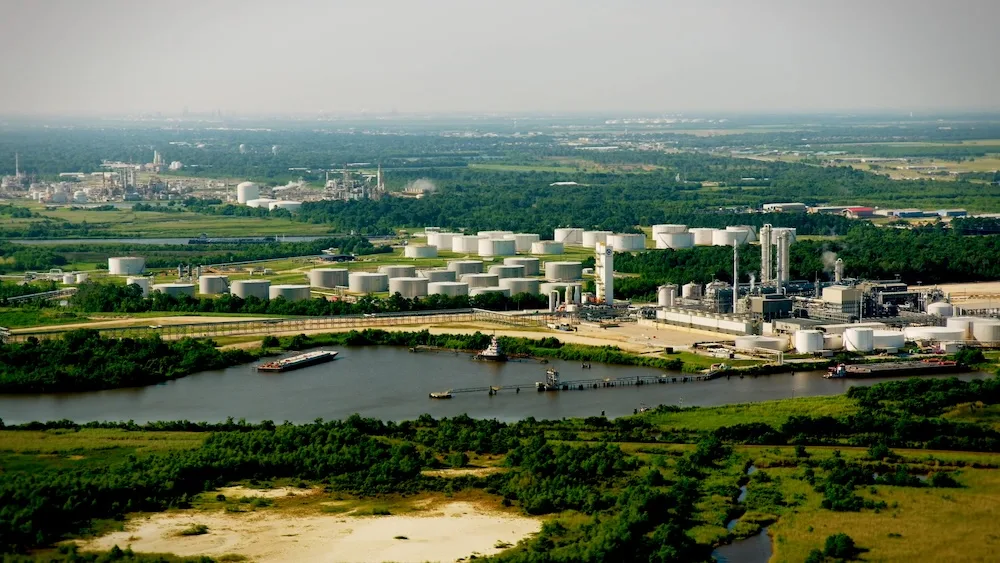
SAF is an alternative jet fuel made from renewable sources that can reduce lifecycle carbon emissions by more than 80%, when compared to conventional jet fuel. Existing jet fuel infrastructure can be leveraged to deliver SAF to airports today, and it is safe to use in current aircraft engines. However, the technology to produce it remains nascent, so it is expensive and not widely available. In fact, there is not enough SAF in production today to fuel the world’s airlines for a single week. This is why the work to scale SAF and bring it to new markets, like Portland, is so important.
Locally, Delta is working with the Port of Portland and other key stakeholders to enable a sustained market and delivery structure for SAF at the Port of Portland. Delta is also working at the federal level and across key states to advocate for continued and new government incentives that will increase production, improve cost-competitiveness and make SAF more accessible at scale. In 2022, Oregon U.S. Senator Ron Wyden, then Chair of the Senate Finance Committee, championed enactment of the first federal SAF incentives, including the 40B SAF Blenders Tax Credit and creating the current fuel-neutral 45Z Clean Fuel Production Credit. 40B and 45Z provided the initial policy frameworks for state level incentives emerging across the country and 45Z was extended by the U.S. Congress this year through 2029.