
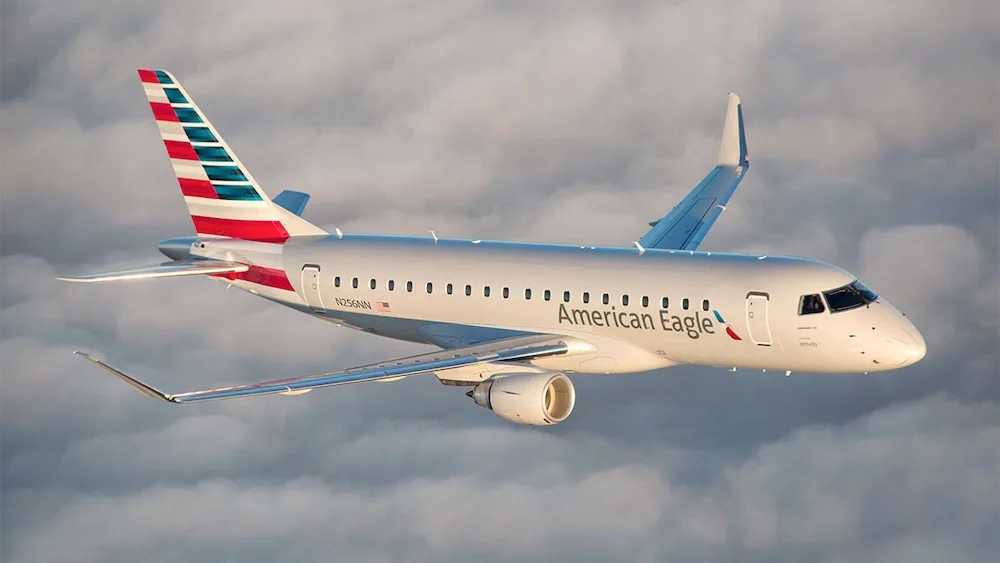
American Airlines and Infinium announces the first delivery of electro sustainable aviation fuel (eSAF) to a commercial airport for use in a commercial passenger flight, marking a major milestone in the decarbonization of aviation.
Follow Aeronews on Facebook, Twitter, LinkedIn and TikTok
The eSAF was allocated to an American flight that departed Corpus Christi International Airport (CRP) and landed at Dallas Fort Worth International Airport (DFW), demonstrating the real-world deployment of next-generation, drop-in sustainable aviation fuel.
The eSAF used for the flight was part of a batch produced and blended at Infinium’s Pathfinder facility in Corpus Christi, Texas — the world’s first commercial-scale power-to-liquids eFuels production site, which has been operating since 2023. The eSAF batch was blended with conventional jet fuel and tested to meet the ASTM International specification for JetA, certifying its use in today’s aircraft engines and fueling infrastructure without further modification. It was then delivered to the common jet fuel tanks at CRP before being allocated to American’s flight to DFW — the first delivery of SAF made without biobased feedstocks to a commercial airport in the U.S. The flight demonstrates the compatibility of eSAF with existing aviation jet fuel supply chains.
Infinium’s eSAF is made using waste CO₂ and renewable electricity, delivering a meaningful reduction in lifecycle greenhouse gas (GHG) emissions compared to conventional jet fuel. Infinium’s eSAF can reduce lifecycle GHG emissions by over 90% compared to conventional petroleum-based jet fuel.
Aviation currently consumes nearly 100 billion gallons of jet fuel annually, with global air travel exceeding 4 billion passengers per year. Despite growing momentum, sustainable aviation fuel accounts for less than 1% of total jet fuel use worldwide. Scalable, drop-in fuels like eSAF offer one of the most near-term and practical solutions for reducing aviation emissions. Scaling eSAF also strengthens energy security by diversifying aviation fuel supply, helping create a more resilient system.