
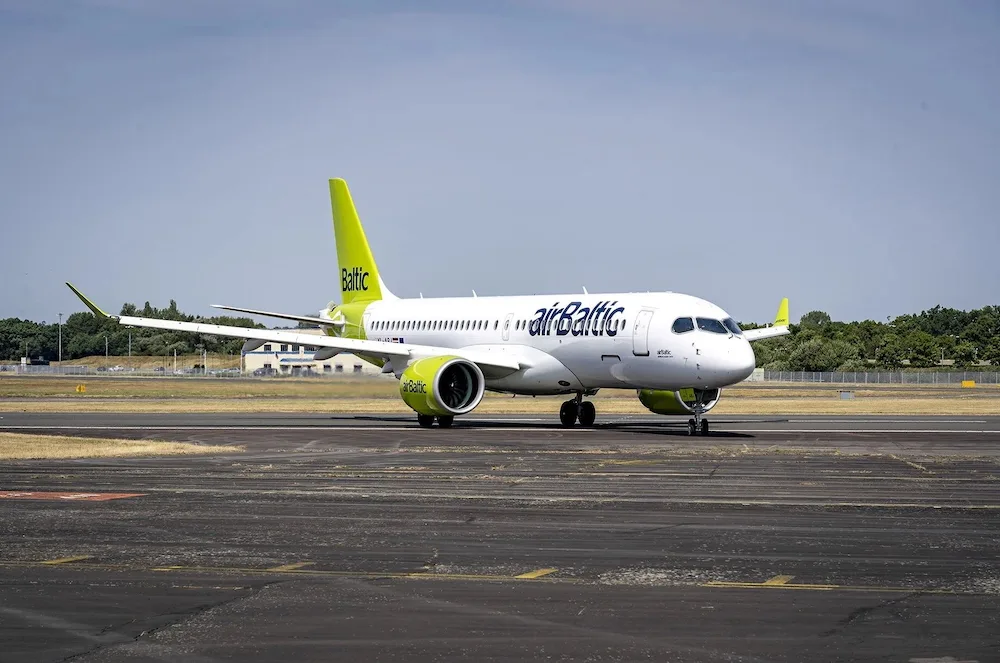
In Q2, airBaltic generated revenue of EUR 216.9 million, up 4.8% compared to the same period last year. The airline posted a net profit of EUR 27.6 million, marking a significant improvement from a loss of EUR –24.2 million in Q2 2024.
Follow Aeronews on Facebook, Twitter, LinkedIn, Bluesky and TikTok
Adjusted EBITDAR reached EUR 55.2 million, while total passenger numbers grew by 8.3% to 2.5 million, and the load factor increased by 2.4 percentage points to 80.2%. Moreover, ACMI (Aircraft, Crew, Maintenance and Insurance) flights rose by 9.2% year-on-year, further strengthening the company’s operational performance. Overall, the quarterly results reflected a recovery from the Q1 performance and provided a solid boost to the airline’s H1 results.
Q2 operations were affected by ongoing industry-wide engine availability challenges, leading to the use of wet-leased capacity and higher operational costs. These temporary measures ensured continued service but added pressure on profitability.
Turning to the H1 2025 results, airBaltic generated EUR 349.6 million in revenue – a 3% year-on-year increase and the highest ever result for the first half of a year. The total passenger traffic reached 3.9 million, also setting a new H1 high, driven by growth in both scheduled and ACMI operations.
Despite continued inflationary pressure and a challenging macroeconomic environment in Latvia, airBaltic’s core market, the company posted an EUR 87 million gain in net result, reaching EUR –1.7 million for H1 2025 compared to the same period in 2024. The result was positively supported by a foreign exchange effect and the absence of accelerated depreciation charges that affected last year’s figures.
Forward bookings for Q3 exceed 2024 levels, and yield trends remain positive. While geopolitical risks – particularly in the Middle East – are being monitored closely due to their potential impact on fuel prices, overall travel demand and market indicators remain strong. The airline continues to strengthen commercial performance and prepare for strategic steps, including a potential IPO.
Based on current trends, the management of airBaltic expects to see improvements in Adjusted EBITDAR margins in the second half of the year and, as a guidance, projects the full-year Adjusted EBITDAR to be in the range of EUR 160 million to EUR 175 million. The total revenue is expected in the range of EUR 780 million to EUR 800 million.
The company also expects to carry more than 5.2 million passengers in 2025. The capacity targets remain unchanged, with a planned increase of approximately 5% in seat capacity deployed in airBaltic’s network compared to 2024, and a 20% increase in ACMI capacity compared to 2024.