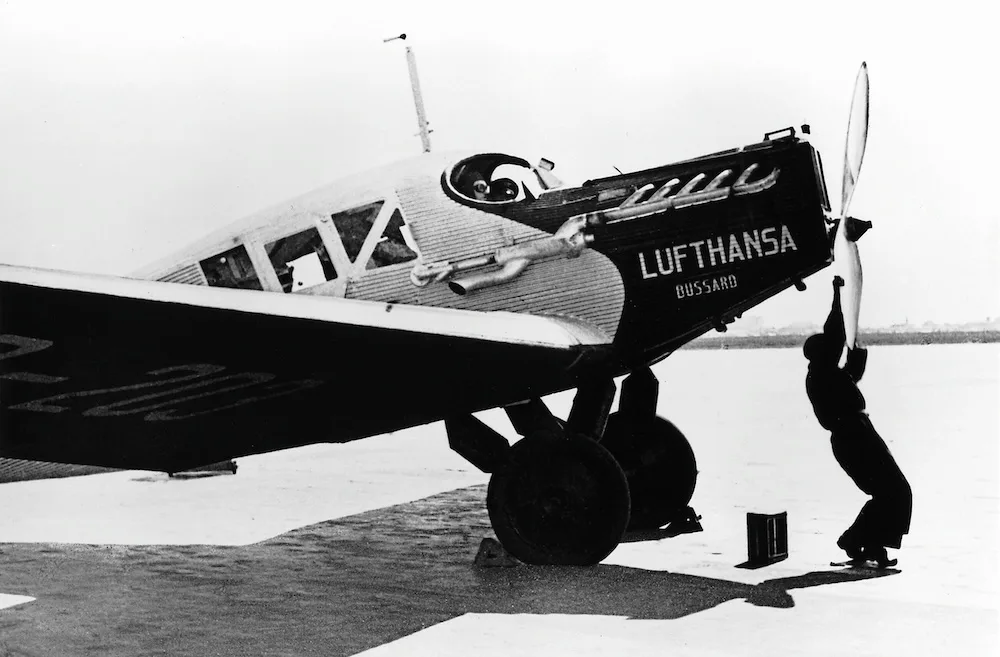
On January 6th, 1926, 100 years ago, the first “Luft Hansa” was founded, and by April 6 of the same year, it had its maiden flight.
Follow Aeronews on Facebook, Twitter, LinkedIn, Bluesky and TikTok
The story begins with the founding of the first Lufthansa, formed through the merger of Junkers Luftverkehr and Deutsche Aero Lloyd. This fusion laid the foundation for a success story in international aviation that continues to this day. However, the journey was not always smooth. Lufthansa’s history is marked by challenges, interruptions, and new beginnings, showcasing the company’s resilience and relentless spirit of innovation.
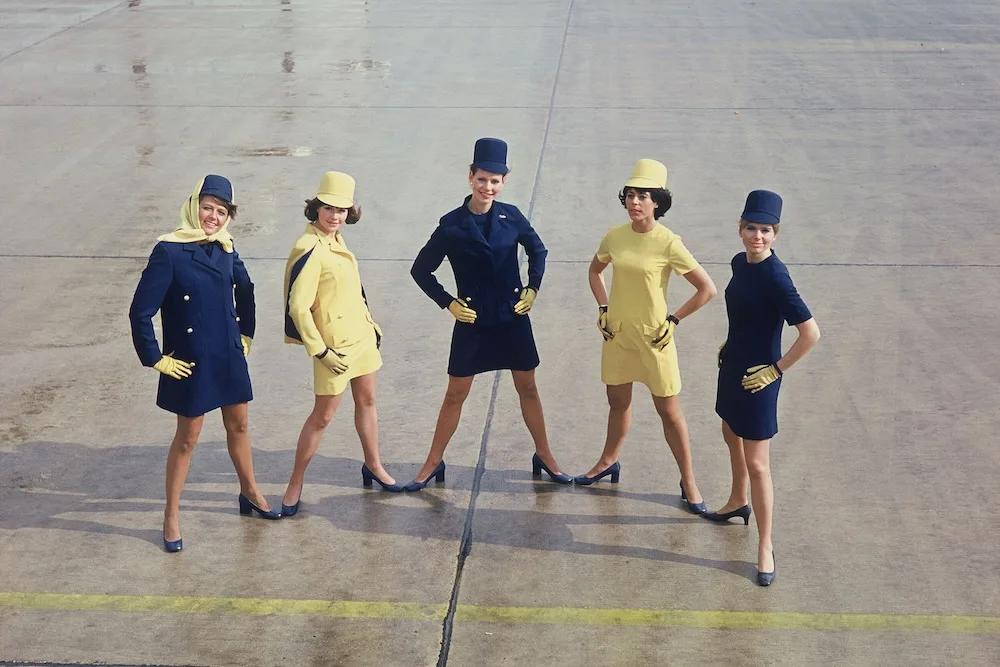
The darkest chapter in Lufthansa’s history was during the Nazi era, when the airline became part of the regime and played an active role within it. Lufthansa is using its 100th anniversary as an opportunity to critically examine its involvement during this time and further address it based on historical research. In reflecting on its history, Lufthansa does not limit itself to the post-war chapters. The years from its founding to the downfall of the first Lufthansa are equally part of the company’s story.
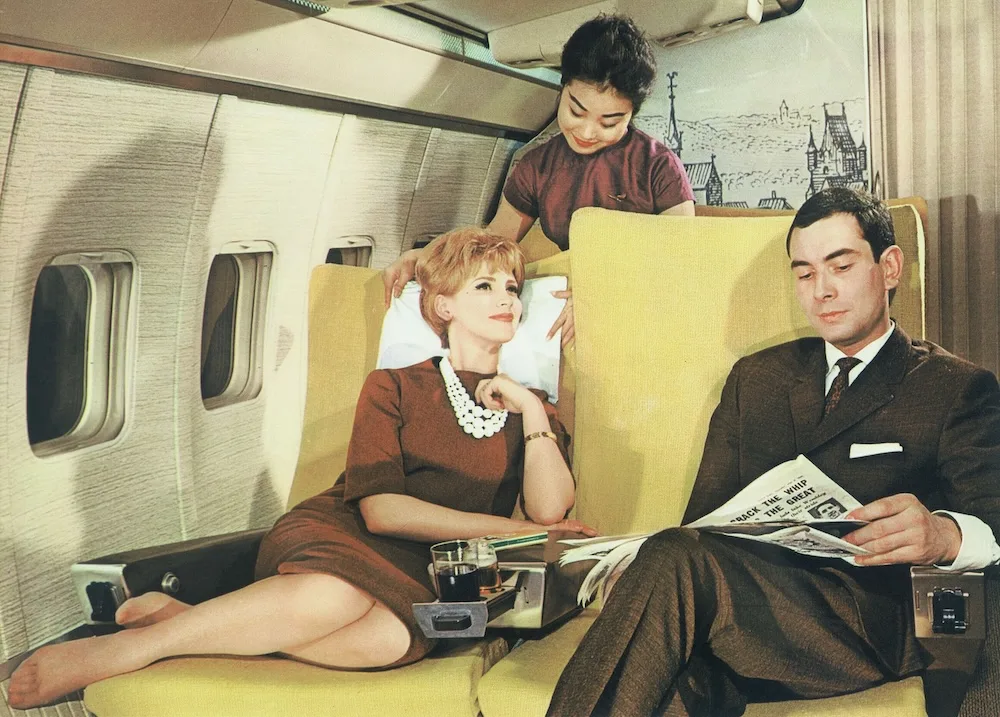
With the re-establishment of the “second Lufthansa” in 1953, the legal foundation of today’s Lufthansa was created. Once again, great pioneering spirit was required to embark on a fresh start after the war. In 1955, flight operations resumed, and the journey of the newly founded Deutsche Lufthansa AG began.
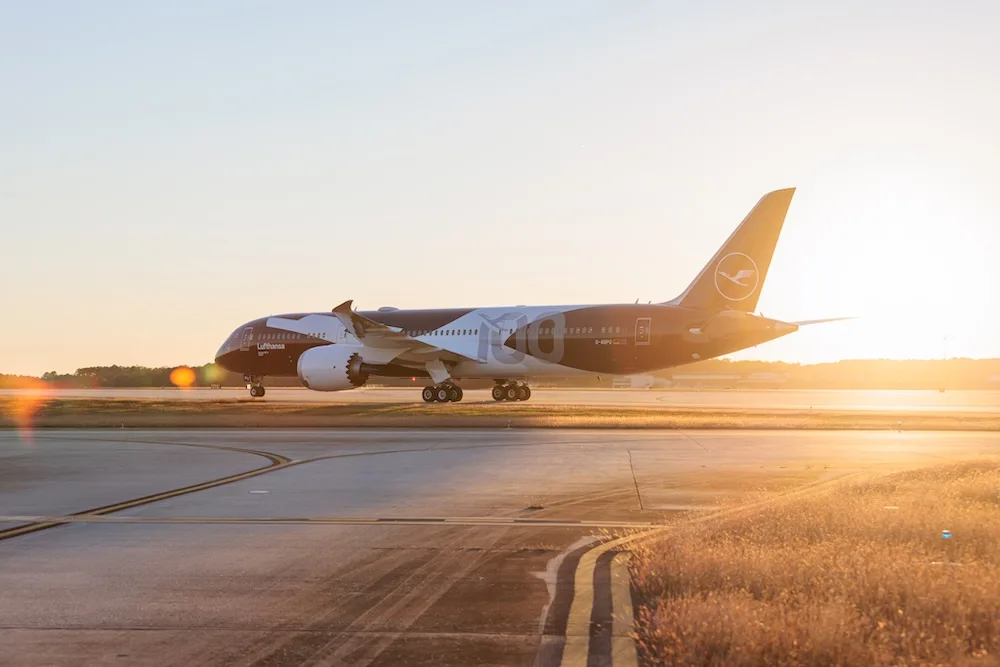
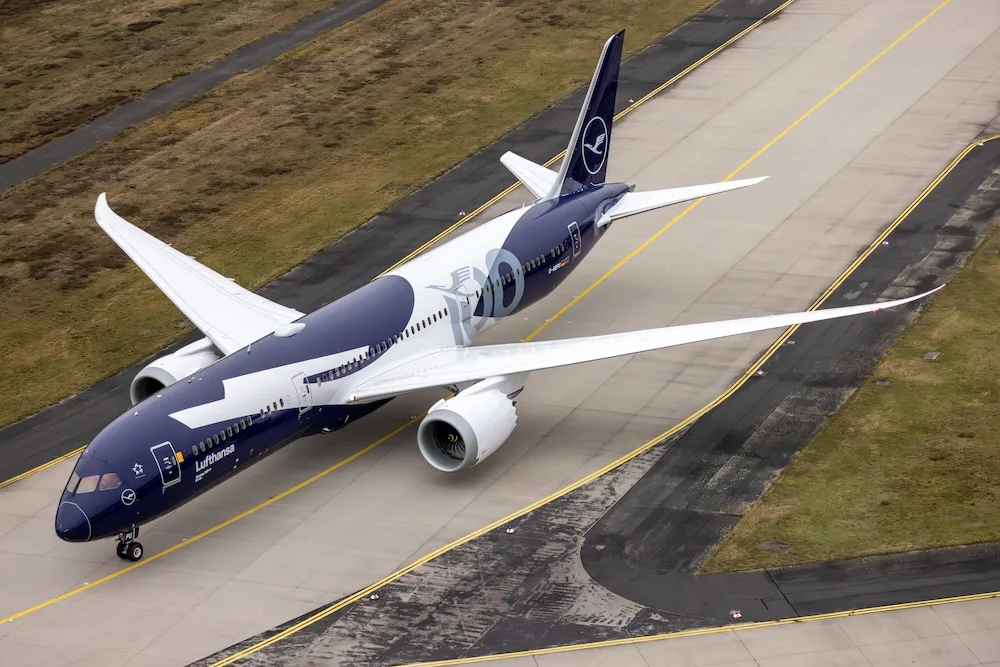
A highlight of the celebrations will be the special aircraft liveries: the key sub-fleets of Lufthansa’s core brand will feature one aircraft with the new 100-year special livery. The Lufthansa anniversary fleet consists of 6 aircraft: an Airbus A380, an Airbus A350-1000, an Airbus A350-900, an Airbus A320, and a Boeing 747-8.
Leading the anniversary fleet is the Boeing 787-9 named “Berlin,” which was delivered from Boeing’s factory in Washington State, USA, to Germany shortly before Christmas and landed at its new home airport in Frankfurt. This month, D-ABPU will enter scheduled service.
Additionally, there will be two retro liveries. These designs combine tradition and progress, making each aircraft a unique flying ambassador of the brand. The iconic crane, designed by Otto Firle in 1918, remains Lufthansa’s global symbol.