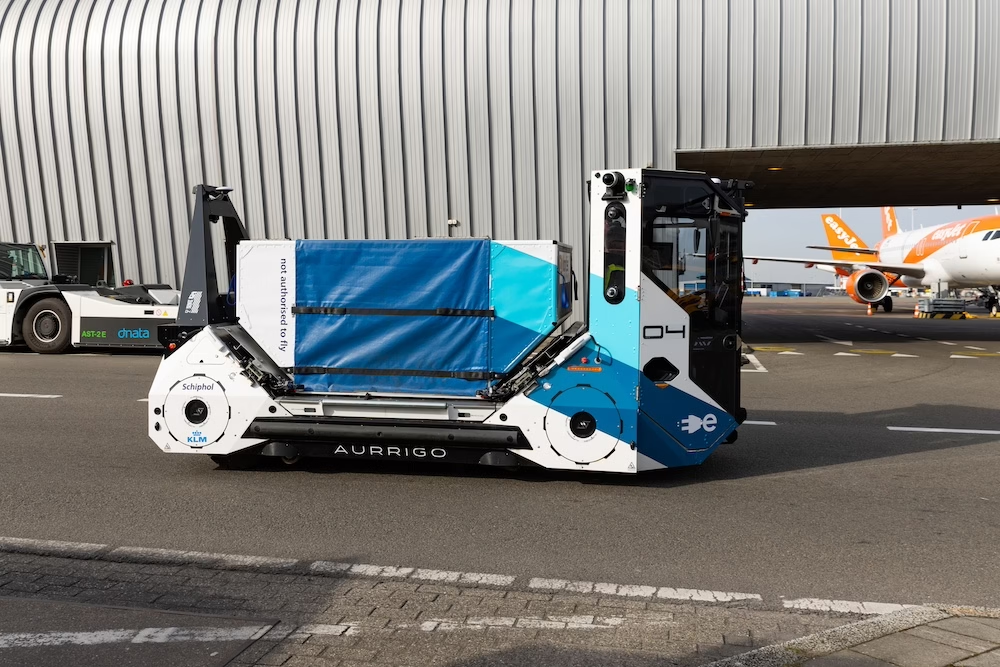
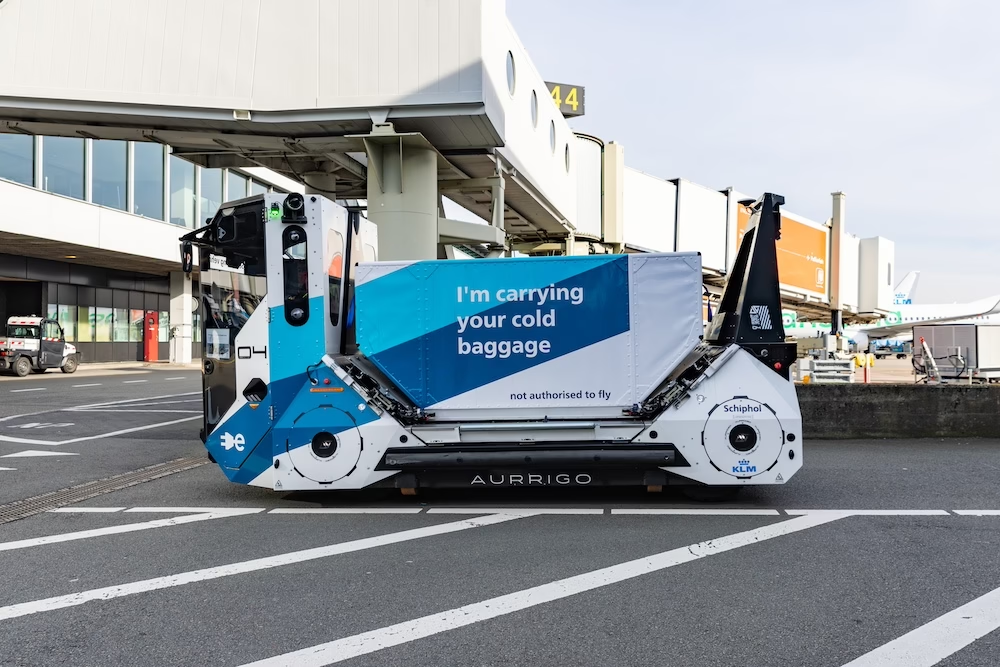
Schiphol is testing an electric, self-driving baggage vehicle in collaboration with KLM. In this test, the bags and suitcases of passengers with a long transfer time is separated from baggage that has to go straight through to catch a direct connection.
Follow Aeronews on Facebook, Twitter, LinkedIn, TikTok and Bluesky
On a typical day, around 31,000 pieces of baggage belonging to transfer passengers are processed at Schiphol. Much of this baggage is processed in the morning, which puts pressure on the baggage system and on baggage handling. Together with Schiphol, KLM Baggage Services ensure that all suitcases make it to the right connection on time.
Reduced workload and pressure on baggage system
To transport baggage flows, Schiphol is testing an electric, self-driving baggage vehicle provided by supplier Aurrigo. This autonomous vehicle will be taking the baggage of passengers with a long transfer time from the plane to a temporary storage location. At the right time, the vehicle then takes the baggage from there to the baggage hall, where it goes into the baggage system for further handling. This new, partly automated, process contributes to reduced workload and less pressure on the baggage system as not all baggage is fed into the system at the same time.
From baggage storage location to baggage hall
The first phase of this test started in August 2024. It was carried out on the route from the temporary baggage storage location to the baggage hall. The vehicle mapped the apron environment using 3D cameras and learned how to navigate its way around. During this test phase, parts of the process were tested step-by-step, including the autonomous loading and unloading of containers and driving in the crowded baggage hall.
Follow-up testing
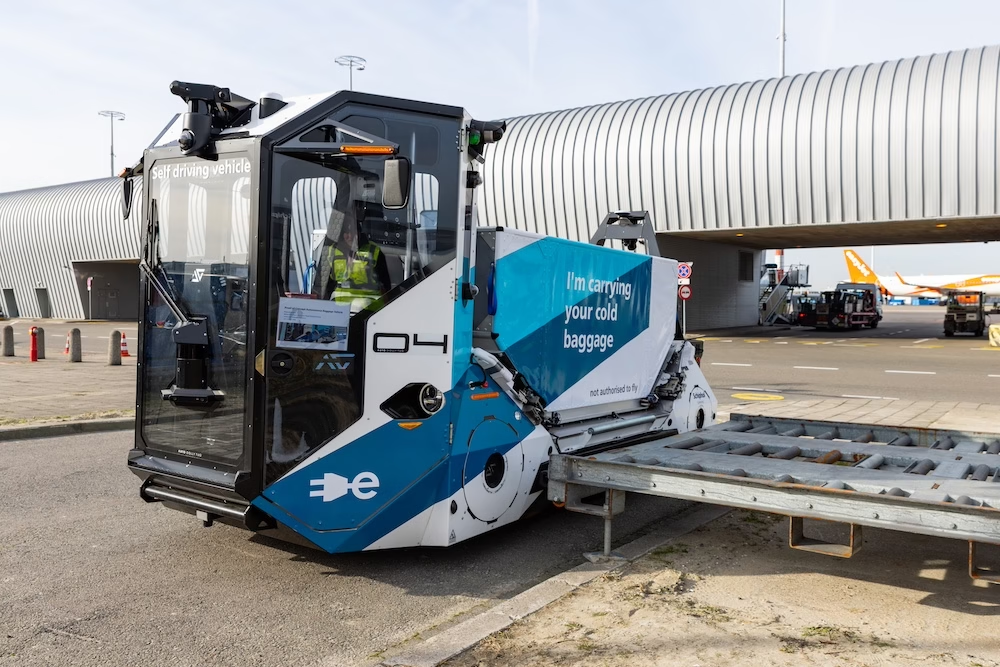
During the next test phase, which started earlier this month, the self-driving vehicle is driving around the pier. If this goes well, the test routes will be expanded, and the vehicle will eventually be tested on aircraft stands. The test will last until the end of 2025. The self-driving vehicle is equipped with Lidar sensors and cameras with a 360-degree viewing angle. This allows it to drive safely between other traffic, brake in time and keep sufficient distance. For safety, there is always a Safety Operator in the self-driving vehicle during the test to intervene if necessary.