
Last year, KLM Group achieved an operating result of €416 million on revenues of €13.2 billion, representing a 3.9% increase in turnover compared to 2024. These results demonstrate that the actions implemented under the “Back on Track” improvement program were essential to achieving stable performance.
Follow Aeronews on Facebook, Twitter, LinkedIn, Bluesky and TikTok
While the program delivered on its objectives, further structural strengthening remains necessary to ensure KLM’s financial health and reduce its vulnerability.
KLM CEO Marjan Rintel commented: “2025 was a challenging year for all KLM employees, and I am proud of their dedication. Through our Back on Track improvement program, we exceeded our €450 million target; we increased revenues, reduced costs, and improved productivity. This provides a strong foundation, but the results show that more action is required. Only through strict cost control and more reliable operations can we achieve a lasting recovery. External factors, such as rising cost pressures in the Netherlands, make this even more urgent. 2026 will therefore be a crucial year in which we must accelerate our transformation to maintain our position in a competitive market.”
Q4 and full-year results
KLM ended the 4th quarter with a profit of €78 million, outperforming the fourth quarter of 2024 (€51 million). Improved operational reliability contributed to this result, underlining the importance of a more robust organization. With annual revenues of €13.2 billion and an unchanged operating result of €416 million, KLM achieved a profit margin of 3.2%.
2025 began strongly and closed on a stable note, but significant challenges arose throughout the year. Technical issues with the fleet led to delayed maintenance, cancellations, and increased operational pressure. Supply chain partner shortages affected punctuality. In addition, ongoing geopolitical tensions created additional complexity: Russian airspace remained closed, and restrictions in other regions led to longer, more complicated routes.
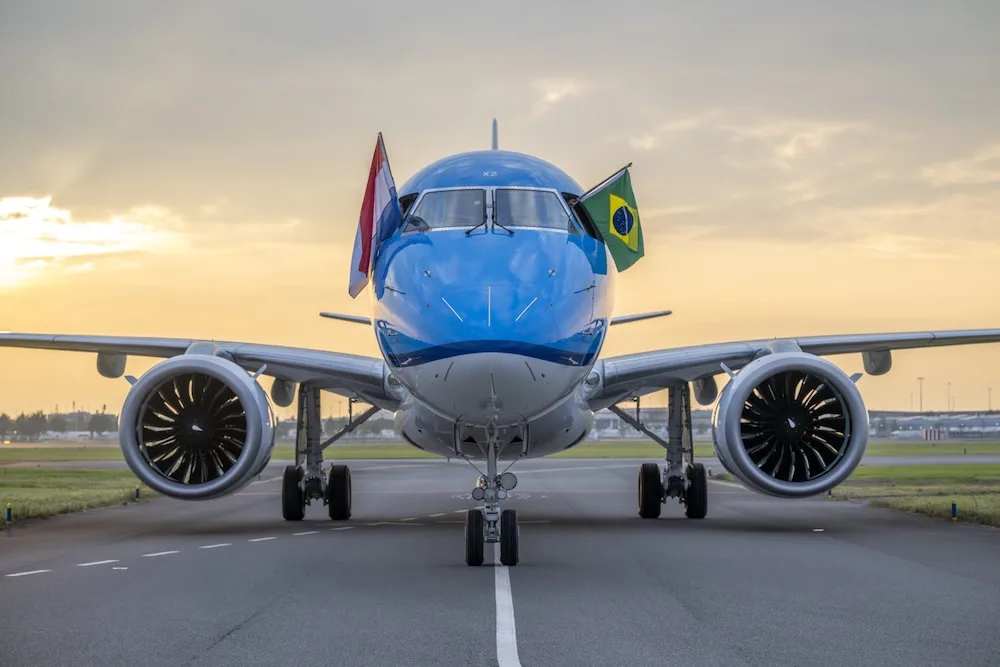
Despite these challenges, KLM made important progress.14 new aircraft were put into service, and the Embraer E195-E2 cabin layout was modified to increase passenger capacity and reduce CO₂ emissions per passenger by 3%. A record number of new pilots were also recruited and trained.
Although Transavia recorded higher revenues and capacity compared to last year, profits lagged behind. KLM Cargo delivered stable results in 2025, while the Engineering & Maintenance (E&M) division delivered a strong financial performance.